
Last updated on August 30th, 2026 at 04:04 pm
IDGAF means “I Don’t Give A Fuck.” It is a strong internet slang expression used to show that someone does not care about something or is not worried about another person’s opinion.
You may see IDGAF meaning in text searches because this abbreviation appears often in texts, social media posts, comments, memes, and private chats. It can sound funny, confident, annoyed, or rude depending on the situation and the relationship between the people talking.
In this guide, you will learn what IDGAF means, how people use it, where it comes from, and whether it is considered rude. You will also see real chat examples, similar slang terms, and simple ways to reply when someone sends IDGAF. By the end, you should be able to understand the expression without guessing what the sender means.
What Does IDGAF Mean in Text & Chat?
IDGAF means “I Don’t Give A Fuck.” In simple words, it means “I really do not care.”
People usually use IDGAF when they want to show strong indifference. It can mean that someone’s opinion, criticism, situation, or result does not matter to them.
For example:
“People can say what they want. IDGAF.”
This means the person does not care what other people say.
The expression is much stronger than simply saying “I don’t care.” The word “fuck” makes it more intense and informal.
Because of this, IDGAF is mostly used in casual conversations. It is common among friends and online communities, but it should generally be avoided in professional, academic, or formal settings.
When Should You Avoid Using IDGAF?
IDGAF means “I don’t give a f***.” It is a strong slang expression used to show that someone does not care about a person, situation, opinion, or outcome. While it can sound funny or confident among friends, IDGAF is not suitable for every conversation. Knowing when to avoid it helps you communicate without sounding rude or careless.
Professional and Formal Conversations
Avoid using IDGAF in workplaces, job interviews, emails to clients, school assignments, or other formal settings. The phrase contains profanity and can make you appear disrespectful or unprofessional. For example, telling a manager, “IDGAF about the deadline,” may sound much harsher than you intended.
Instead, use a calmer phrase such as “I’m not concerned about it,” “I don’t mind,” or “That is not important to me.” These options communicate a similar idea without creating unnecessary tension.
When You Do Not Know the Person Well
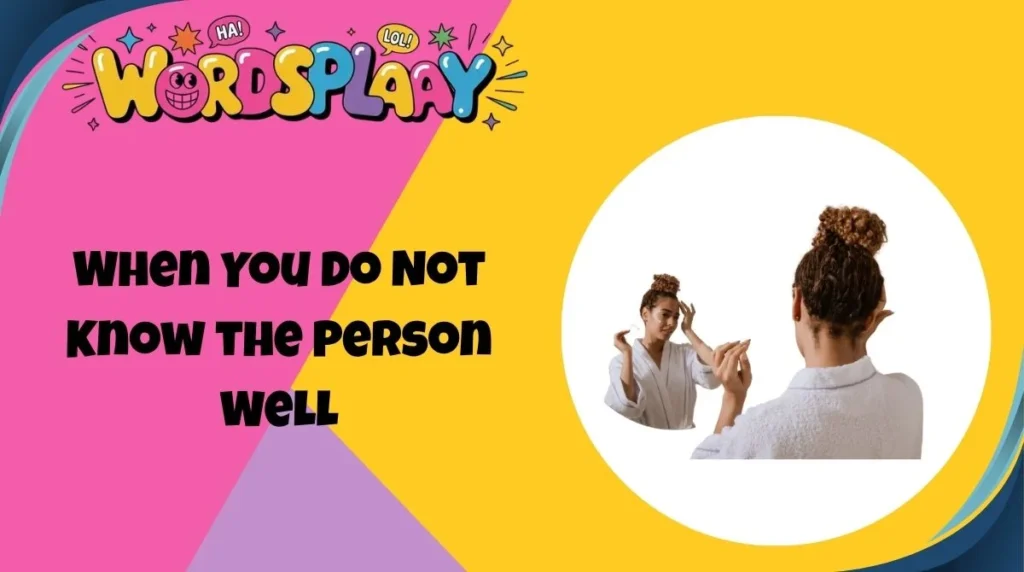
IDGAF can easily offend someone you have just met. Friends may understand that you are joking, but a new coworker, teacher, customer, or online contact may take the phrase literally.
The same rule applies to public comments and social media. Text lacks facial expressions and voice tone, so a short message such as “IDGAF” can seem much more aggressive than it would sound in person.
Sensitive or Serious Situations
It is also better to avoid IDGAF when someone is discussing grief, personal problems, health concerns, relationship issues, or another serious topic. Saying “IDGAF” in these moments may make the other person feel dismissed.
In casual chats, the expression can be useful when you want to show strong indifference. However, context matters more than the abbreviation itself. Think about your relationship with the reader, the subject, and the tone you want before using IDGAF.
Full Form, Stands For & Short Meaning of IDGAF
The full form of IDGAF is “I Don’t Give A Fuck.”
IDGAF is an acronym formed from the first letters of the words in the phrase.
| Term | Meaning |
|---|---|
| IDGAF | I Don’t Give A Fuck |
| Short meaning | I really don’t care |
| Type | Internet slang |
| Tone | Strong, casual, sometimes rude |
| Common use | Texts, social media, chats, memes |
There is no special official meaning beyond the slang phrase. Its exact tone depends on the conversation.
Someone may use IDGAF jokingly with a close friend. Another person may use it seriously when they are annoyed or want to shut down an argument.
Origin, History & First Known Use of IDGAF
IDGAF developed as part of internet and texting slang, where long phrases were shortened into quick abbreviations.
Like many online acronyms, it became easier to type IDGAF than the full phrase. The abbreviation fits the style of early internet chats, instant messaging, forums, SMS conversations, and later social media.
There is not one universally accepted person or event credited with creating IDGAF. Similar versions of the phrase existed in spoken and written informal English before the abbreviation became common online.
As texting and social media grew, abbreviations such as IDGAF became easier to recognize. Today, the term is especially familiar in casual online communication.
How People Use IDGAF in Daily Conversations
People use IDGAF to show that they strongly do not care about something.
The expression can appear in several situations.
In Texting
A friend might write:
“They don’t like my new haircut. IDGAF 😂”
Here, the sender is saying that other people’s opinions do not bother them.
On Social Media
Someone may use IDGAF as a caption or comment when they want to appear confident or independent.
For example:
“Wearing what I want today. IDGAF.”
The person is saying they are not concerned about judgment from others.
In Casual Conversations
IDGAF can also be used when someone is frustrated.
“He keeps complaining, but IDGAF anymore.”
This suggests the person has become tired of the situation and no longer wants to care about it.
As a Joke
Friends sometimes use IDGAF humorously.
“IDGAF which pizza we order. Just feed me 😂”
The speaker may not actually be angry. They simply mean that they have no preference.
IDGAF Meaning Across WhatsApp, Instagram, TikTok & Snapchat
IDGAF usually keeps the same basic meaning across social media platforms: “I Don’t Give A Fuck.”
The platform may change how the expression is presented, but not its core meaning.
On WhatsApp, IDGAF is often used in private chats and group conversations.
“Everyone wants to go somewhere else. IDGAF, choose anything.”
The tone may be casual or playful among friends.
On Instagram, IDGAF can appear in captions, comments, Stories, and memes.
“Your opinion isn’t my problem. IDGAF.”
Here, it may be used to express confidence or independence.
TikTok
TikTok users may use IDGAF in captions, comments, or videos. It often appears with humorous, confident, or rebellious content.
The meaning is usually easy to understand from the video or caption.
Snapchat
On Snapchat, IDGAF is commonly used in quick messages between friends.
“IDGAF what movie we watch 😂”
In this context, it simply means the sender has no strong preference.
The abbreviation does not have a different official meaning on WhatsApp, Instagram, TikTok, or Snapchat.
Different Meanings of IDGAF in Other Fields
IDGAF does not normally have a major alternative meaning in standard professional or academic language.
Its most recognized meaning is the internet slang phrase “I Don’t Give A Fuck.”
However, context still matters. A company, group, game, or online community could potentially use the same letters for an unrelated name or phrase.
If you see IDGAF in a normal text message, social media comment, meme, or chat, the slang meaning is almost certainly intended.
Common Confusions, Mistakes & Wrong Interpretations
The biggest mistake is assuming IDGAF always means the sender is angry.
That is not necessarily true.
IDGAF can communicate several feelings depending on the context:
- Strong indifference
- Confidence
- Frustration
- Humor
- Defiance
- Annoyance
- Lack of interest
For example:
“IDGAF which restaurant we choose 😂”
This sounds relaxed and playful.
But:
“IDGAF what you think.”
This can sound dismissive or hostile.
Another common mistake is treating IDGAF as polite language. It contains profanity, so it is not suitable for every audience.
You should also avoid assuming that IDGAF means the person literally has no feelings about the subject. Sometimes people use it as an exaggerated way to sound confident.
Similar Terms, Alternatives & Related Slang
Several slang expressions have meanings close to IDGAF, but their strength and tone can differ.
| Term | Meaning | Usage |
|---|---|---|
| IDGAF | I really don’t care | Strong and informal |
| IDC | I Don’t Care | Casual and less aggressive |
| DGAF | Don’t Give A Fuck | Very informal and strong |
| I couldn’t care less | I do not care | Less vulgar |
| Whatever | It does not matter to me | Casual |
| Meh | I am not impressed or interested | Very casual |
| IDRC | I Don’t Really Care | Casual and softer |
| NBD | No Big Deal | Shows something is not important |
IDC is usually a safer alternative to IDGAF.
For example:
“IDC what we watch.”
This sounds much less aggressive than:
“IDGAF what we watch.”
Examples of IDGAF in Real Chat Situations
Here are natural examples showing how IDGAF can sound different depending on the situation.
- “IDGAF what they think about my outfit 😂”
- “You can pick the movie. IDGAF 😊”
- “He keeps talking about me. IDGAF anymore.”
- “IDGAF if I lose this game 😂”
- “Everyone says I should change it, but IDGAF.”
- “IDGAF which restaurant we go to. I’m hungry 🤣”
- “She doesn’t like my decision. IDGAF.”
- “IDGAF about the drama. I’m staying out of it.”
- “My room is messy today. IDGAF 😂”
- “IDGAF what people post online.”
- “You choose the playlist. IDGAF 🤔”
- “They can complain all they want. IDGAF.”
These examples show why context is important. The same abbreviation can sound funny in one conversation and harsh in another.
How to Reply When Someone Says IDGAF
Your reply should depend on the sender’s tone and the situation.
If they are joking, you can answer with humor. If they sound angry, a calm response may work better.
Casual Reply
“Fair enough 😂”
Funny Reply
“Wow, the level of caring is impressive 😂”
Friendly Reply
“Okay, no worries. I just wanted to know.”
Calm Reply
“Alright, I understand.”
Playful Reply
“Clearly you care a tiny bit 😂”
When They Sound Angry
“Okay, I won’t push the topic.”
When You Want Clarification
“Got it. Are you saying you don’t want to discuss it?”
You do not always need to respond with another slang abbreviation. A simple reply can prevent a small conversation from becoming an argument.
Different Tones and Contexts and Age
The meaning of IDGAF can stay the same, but its tone can change greatly depending on the situation, relationship, and age of the person using it. In text messages, social media posts, gaming chats, and casual conversations, people often use IDGAF to express confidence, annoyance, rebellion, humor, or genuine indifference.
Friendly and Casual Tone
Among close friends, IDGAF may be used playfully. Someone might text, “IDGAF what movie we watch,” simply meaning they are happy with any choice. In this context, it may not be intended as an insult.
However, the phrase is still vulgar slang, so younger users should understand that it is not appropriate for every audience. Parents, teachers, employers, and other adults may interpret it more seriously than close friends do.
Angry or Defiant Tone
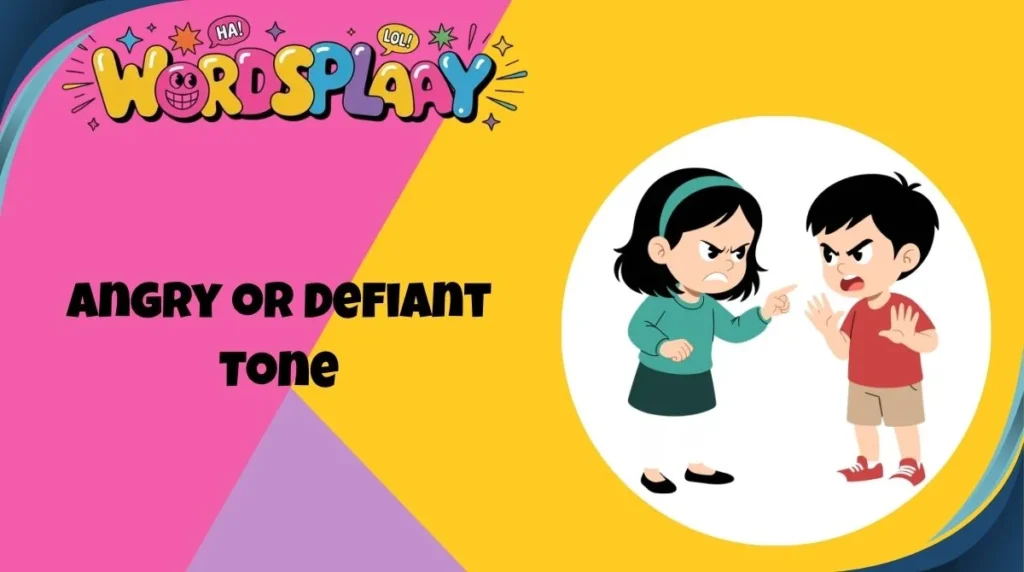
IDGAF can also carry a strong attitude. A person might post, “IDGAF what people think about me,” to show confidence or defiance. Here, the abbreviation suggests that outside opinions do not affect the speaker.
In an argument, however, IDGAF can sound dismissive or hostile. The same three letters that seem funny in one chat can start a conflict in another.
Age and Online Communication
Age can influence how people understand and use internet slang. Younger users may encounter IDGAF through social media, memes, gaming, or texting and use it as casual internet language. Older users may be less familiar with the abbreviation or may focus more on the profanity behind it.
For that reason, knowing your audience is essential. IDGAF can work in a relaxed conversation with trusted friends, but a cleaner phrase is usually better in mixed-age, professional, or public communication.
Is IDGAF Still Popular? Trends & Online Usage
IDGAF remains recognizable online, especially in casual digital communication.
It is commonly seen in texts, memes, social media captions, comments, and informal conversations. Its popularity is helped by the wider use of internet slang and shortened expressions.
However, the popularity of individual slang terms can change over time. Younger internet users often create new abbreviations, phrases, and meme language, while older expressions may become less fashionable.
Even when a slang term becomes less trendy, widely recognized expressions can continue to be understood for years.
IDGAF is one of those expressions that many English-speaking internet users recognize.
It is most appropriate for casual communication. Because it contains profanity, it is not a good choice for school assignments, job applications, professional emails, customer support messages, or formal conversations.
Quick Facts About IDGAF
Here is a quick overview of the IDGAF meaning in text.
| Factor | Details |
|---|---|
| Meaning | I Don’t Give A Fuck |
| Category | Internet slang / acronym |
| Tone | Strong, casual, sometimes rude |
| Usage Platform | Texting, WhatsApp, Instagram, TikTok, Snapchat |
| Popularity | Widely recognized in informal online English |
| Formal/Informal | Informal |
| Main purpose | To express strong indifference |
| Profanity | Yes |
Frequently Asked Questions
What does IDGAF mean on Snapchat?
IDGAF means “I Don’t Give A Fuck” on Snapchat. It usually tells someone that the sender does not care about a particular issue, opinion, or situation. The tone can be serious, funny, or annoyed. Since Snapchat is informal, the abbreviation is generally used in casual conversations between friends.
Is IDGAF rude?
IDGAF can be considered rude because it contains profanity and expresses strong indifference. Whether it sounds offensive depends on the relationship and context. Friends may use it jokingly, while using it toward a teacher, employer, customer, or stranger could sound disrespectful. A softer alternative is “IDC,” meaning “I Don’t Care.”
What does IDGAF mean from a girl?
If a girl says IDGAF, it generally means “I Don’t Give A Fuck.” It does not have a special meaning based on gender. She may be joking, annoyed, confident, or simply saying that something does not matter to her. The surrounding messages are important for understanding her exact tone.
What does IDGAF mean from a guy?
If a guy uses IDGAF, it normally means that he strongly does not care about something. The abbreviation does not have a separate meaning when used by a guy. He might be expressing confidence, frustration, humor, or indifference. Look at the rest of the conversation before deciding how seriously to take it.
What is the difference between IDGAF and IDC?
IDGAF and IDC both communicate a lack of concern, but IDGAF is much stronger. IDC means “I Don’t Care,” while IDGAF means “I Don’t Give A Fuck.” The second expression contains profanity and can sound more aggressive. IDC is usually the better choice when you want a softer tone.
What does IDGAF mean in texting?
In texting, IDGAF means “I Don’t Give A Fuck.” People use it as a quick way to show that they are not concerned about something. It may refer to another person’s opinion, a decision, a problem, or an argument. Its tone can range from playful to openly dismissive.
Can IDGAF be used professionally?
IDGAF should generally not be used in professional communication. It contains profanity and can sound disrespectful or careless. In a workplace email or formal conversation, expressions such as “I don’t have a preference,” “I’m not concerned,” or “It doesn’t matter to me” are more appropriate.
What does IDGAF mean in social media comments?
In social media comments, IDGAF usually shows that someone does not care about criticism, opinions, or a particular situation. It can be used seriously or as a joke. For example, someone may comment IDGAF under a post to show that they are not bothered by what other people think.
Is DGAF the same as IDGAF?
DGAF has almost the same meaning as IDGAF. DGAF stands for “Don’t Give A Fuck,” while IDGAF stands for “I Don’t Give A Fuck.” Both are strong slang expressions used to show indifference. The difference is mainly the wording, not the basic message.
Final Thoughts:
IDGAF is a popular informal abbreviation that means “I Don’t Give A Fuck.” People use it in texts, social media, memes, and casual conversations when they want to show strong indifference.
The important thing is to understand its tone. IDGAF can be funny between close friends, but it can also sound angry, dismissive, or disrespectful when used in the wrong situation. Context, punctuation, emojis, and the relationship between the people involved can all change how the message feels.
If you want a softer version, IDC is usually a better choice. For professional conversations, it is best to avoid both expressions and use polite wording instead.
Understanding slang like IDGAF helps you read online conversations more accurately without assuming the wrong emotion or intention.

Robert Clay is a witty word-lover who turns everyday thoughts into clever puns and smart jokes.
He brings laughter to life with playful humor, sharp timing, and creative wordplay.
1 thought on “IDGAF Meaning in Text What Does IDGAF Mean in Chat? [Updated for 2026]”